
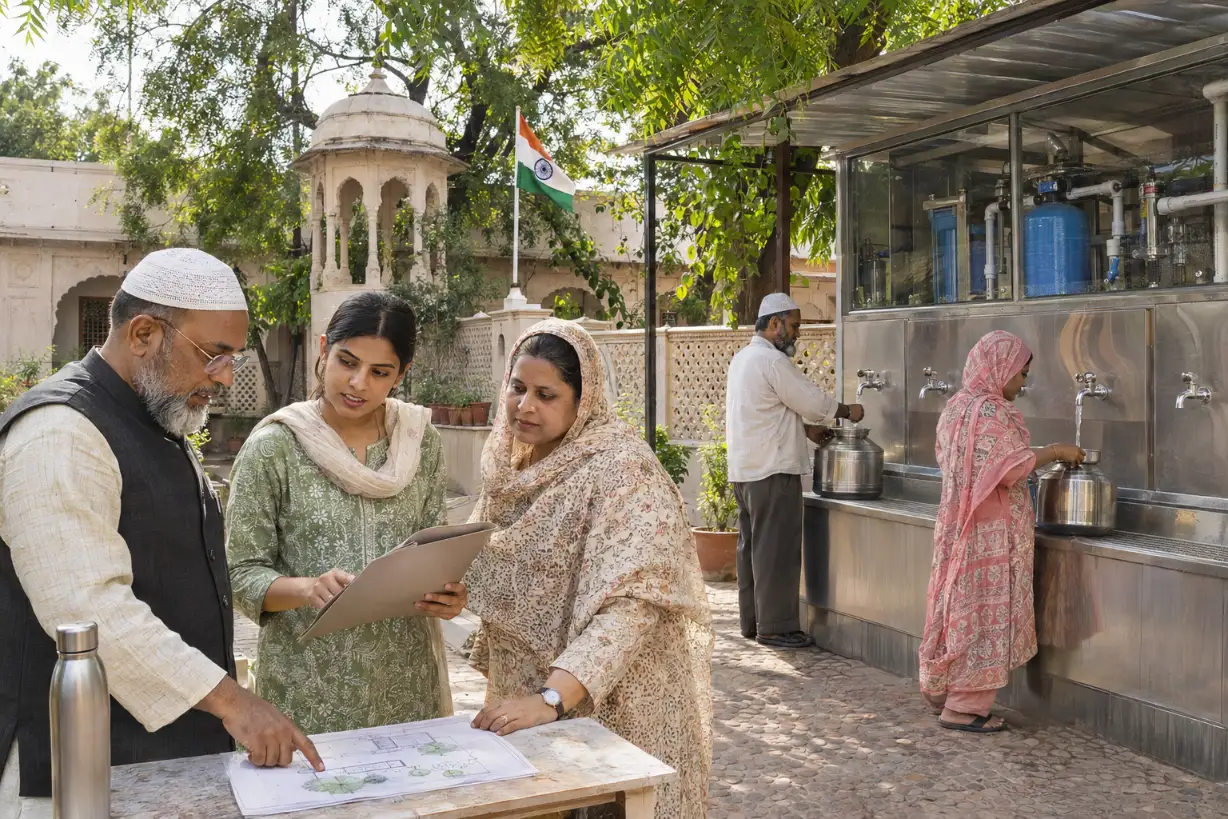
Build a lasting charitable asset
Waqf-based crowdfunding concerns resources dedicated to an enduring charitable or religious purpose, rather than an ordinary appeal whose entire balance is immediately spent. A proposal might involve improving an established community property or supporting facilities that generate income for a defined welfare objective. Before contributing, establish the property’s identity, the responsible waqf institution and the authority under which work will proceed. Ask for the relevant records, a project budget and the intended beneficiaries. The word waqf in a campaign title does not by itself establish valid ownership, registration or permission to develop land.
Examine management beyond construction
A sustainable project also needs an operating plan: maintenance, tenant arrangements where relevant, income collection, reporting and responsibility for unexpected costs. The Central Waqf Council describes urban property development assistance through State Waqf Boards, including economically viable buildings. Its scheme page records an extension through 2025–26; that statement does not establish a later funding window or an entitlement for a crowdfunding campaign. Confirm the current position directly before including government support in a budget. Contributors should distinguish donations to a waqf from loans supporting development, and request a clear account of how the asset’s income will serve its stated purpose.